
The Backbone of Care: Why Hospital Logistics Matter More Than Ever
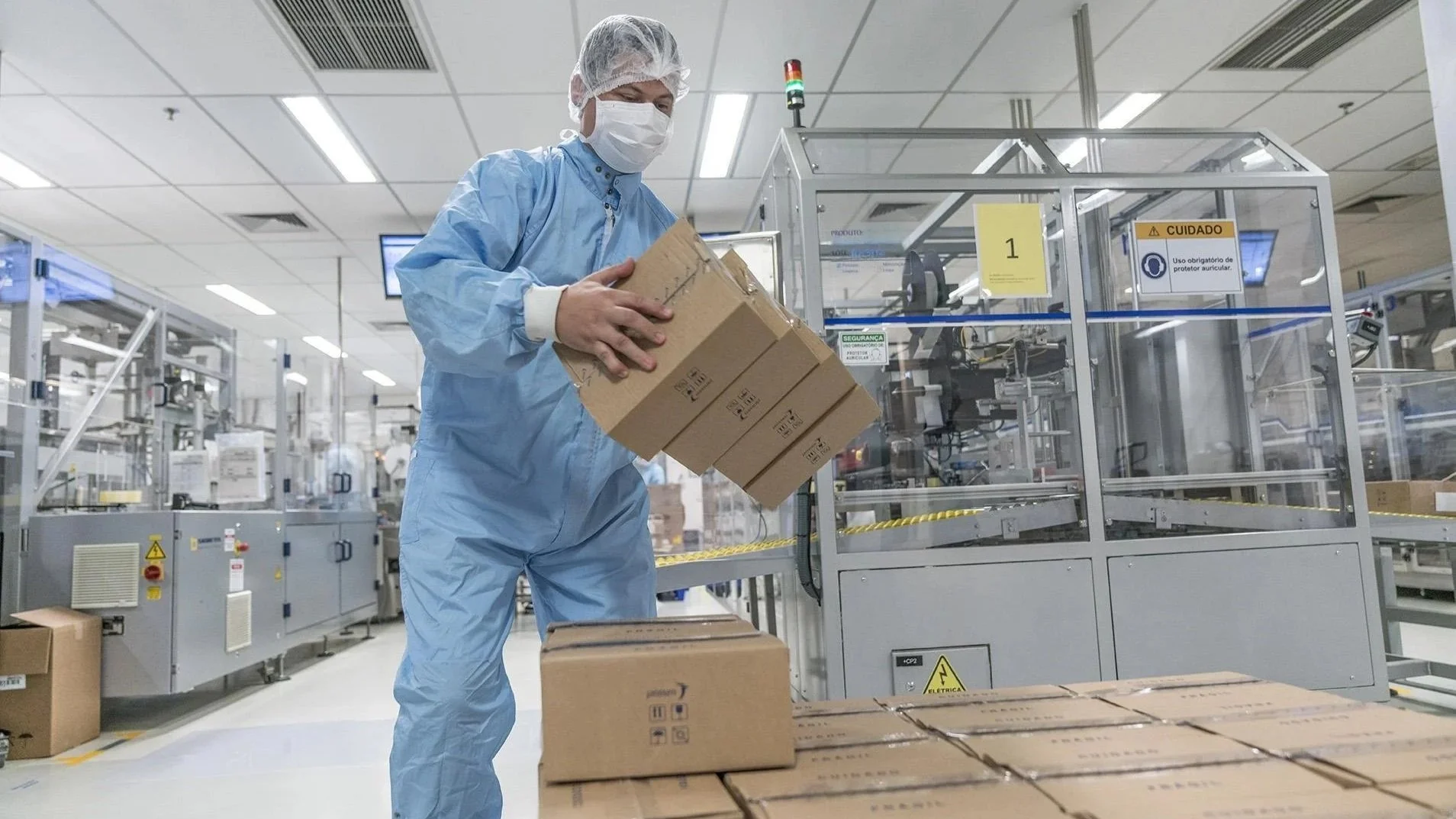
Image via Envato
Last week, I wrote about the growing strain on our healthcare workforce—clinicians and staff asked to do more with less, while burnout rises and support falls short. The takeaway was clear: if we want to preserve quality care, we have to support the people who provide it.
One of the most overlooked—but most powerful—ways to do that? Hospital logistics.
Hospitals Operate Like Small Cities—With Lives on the Line
Hospitals never stop. Like compact cities operating 24/7, they orchestrate a constant movement of people, medications, meals, specimens, linens, surgical tools, and waste—all with precision and urgency.
The same logistical complexity behind Amazon, FedEx, UPS, and mass transit systems plays out daily inside hospitals. But here, failures aren’t about missed deliveries—they delay care, create bottlenecks, and heighten risk. The fallout is personal: the physician trained to interpret subtle cardiac signs may instead spend 30 minutes hunting for the right feeding tube. The nurse trying to discharge a patient ends up coordinating transport.
These aren’t isolated moments—they’re systemic inefficiencies placing more strain on people already stretched thin. We won’t perfect logistics, but improving them could dramatically ease the pressure on our entire healthcare system.
Patient Transport: A Massive Puzzle with Real Consequences
Few logistical functions are as complex—or consequential—as in-hospital patient transport.
Hospitals manage thousands of non-critical patient moves each month. Some cover just a few hundred feet; others span elevators, tunnels, buildings, and ramps. Some patients are bariatric, frail, or post-op, requiring specialized support. It’s a live puzzle, shifting minute by minute.
When transport breaks down, clinicians often step in. Time that could go to patient care is spent pushing stretchers. And the transporters themselves absorb the toll through more physical strain, more lifts, and greater injury risk.
These disruptions ripple outward: discharges delay, ORs fall behind, rooms stay blocked. As Klein and Thielen noted in 2024, most hospitals lack the coordination tools to manage this well—turning transport into a daily source of stress and inefficiency.
Systems Should Support People—Not the Other Way Around
When logistics work, they’re nearly invisible. That’s the goal.
Well-stocked rooms, on-time labs, and smooth turnovers aren’t just conveniences—they’re the foundation of uninterrupted care. But when these systems falter, it’s not just efficiency that suffers: schedules slip, ORs delay, stress escalates, and staff stay late.
Strong logistics restore margin—not only in a financial sense, but in time, capacity, and focus. The space to be present, to deliver care without constant interruptions. That margin benefits both caregivers and patients.
We don’t need more effort from our workforce—we need smarter systems around them.
Better Logistics Are Key to a Better System
In a strained healthcare system, logistics rarely make headlines. But they make hospitals work.
We’ll continue this conversation in the weeks ahead. Because throwing more people at the problem isn’t the answer. Asking our clinicians and staff to work harder, longer, or under greater pressure isn’t sustainable.
We must be intentional in how we deploy our most critical asset—our people.
There is a better path forward. One that uses hospital data, predictive coordination, robotics, and AI to choreograph movement, reduce friction, and give caregivers the time and space to do what they were trained to do: deliver human care to those who need it most.
Let’s stop asking healthcare workers to compensate for broken logistics. Let’s build systems that lift the burden instead.
Join the conversation. Follow me here—or follow Rovex Technologies Corporation —as we explore how robotics can help reshape the invisible infrastructure of care and give hospital teams the support they’ve long deserved.
